



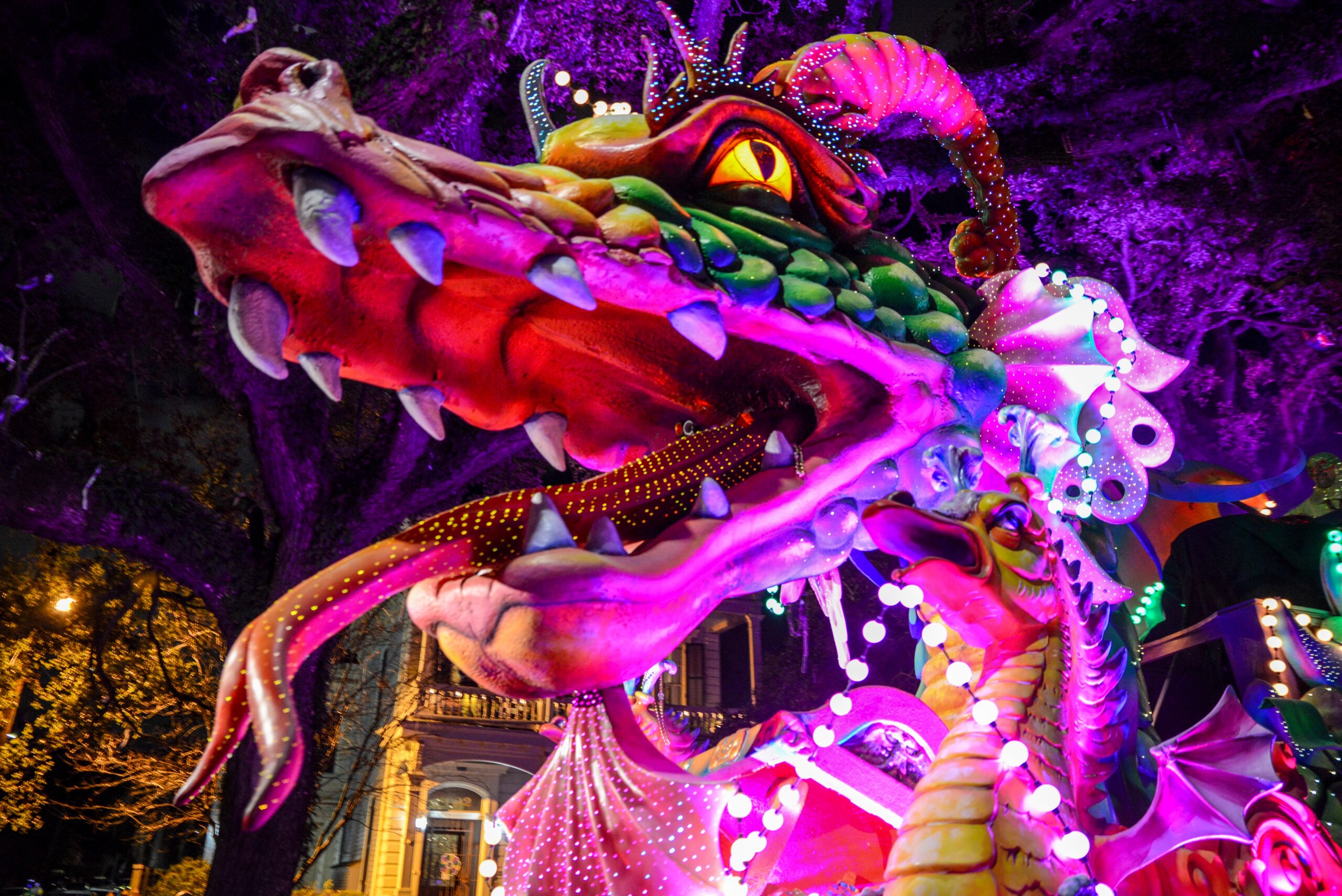





On February 27, 1827, the city of New Orleans hosted what is widely recognized as its first organized Mardi Gras celebration—a festive gathering that would grow into one of the most famous cultural events in the world. Though the traditions of Carnival had older European roots, this date marked the beginning of Mardi Gras as a public, distinctly New Orleans celebration.
The term “Mardi Gras,” French for “Fat Tuesday,” refers to the final day of feasting before the Christian season of Lent begins on Ash Wednesday. The celebration traces its origins to medieval Europe and was brought to North America by French settlers in the late 17th and early 18th centuries. In fact, French explorers had marked “Mardi Gras” near present-day Louisiana as early as 1699. However, for more than a century, festivities in the region were informal—private balls, masked gatherings, and small community celebrations.
By 1827, New Orleans had become a vibrant and culturally rich city shaped by French, Spanish, African, and Caribbean influences. That year, a group of young Creole students who had visited Paris returned inspired by the elaborate Carnival festivities they had witnessed in France. They organized masked balls and paraded through the streets in festive attire, helping transform Mardi Gras from scattered private observances into a more visible public celebration.
These early festivities laid the foundation for what would evolve into parades, floats, and elaborate pageantry. In the decades that followed, Mardi Gras traditions became more structured. In 1857, the first formal Carnival organization—or “krewe”—called the Mistick Krewe of Comus, introduced themed floats and organized nighttime parades. Their efforts established many of the traditions still associated with Mardi Gras today, including secret societies, elaborate costumes, and symbolic themes.
The celebration’s signature colors—purple for justice, green for faith, and gold for power—would later become official Mardi Gras symbols. Beads, doubloons, masked riders, and grand balls all became part of the growing spectacle. What began in 1827 as inspired street revelry evolved into a citywide cultural institution.
Mardi Gras endured challenges over the centuries, including Civil War disruptions, economic downturns, and public health crises. Yet it always returned, reflecting the resilience and celebratory spirit of New Orleans. Today, the festival attracts hundreds of thousands of visitors annually, generating significant economic impact and serving as a showcase of Louisiana’s unique heritage.
February 27, 1827, stands as a pivotal moment in the history of American celebrations. It represents the blending of Old World traditions with New World creativity—a fusion that defines New Orleans itself. From those first masked revelers inspired by Parisian Carnival to the dazzling parades of modern times, Mardi Gras remains a living tradition of music, culture, and community.
What began as a festive experiment nearly two centuries ago has grown into a global symbol of joy and pageantry—proof that sometimes history is written not only in battles and politics, but in celebration.












What do you think?
It is nice to know your opinion. Leave a comment.