


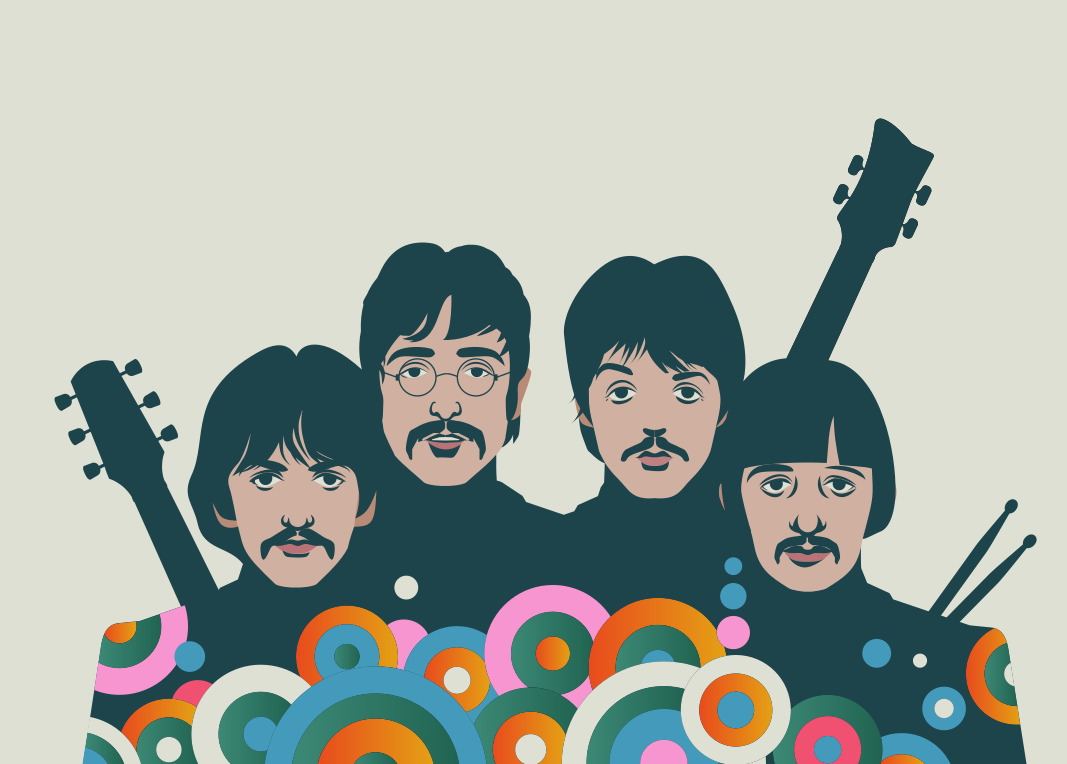





February 9, 1964, is a date forever etched into the cultural memory of the United States. On that Sunday evening, four young musicians from Liverpool—John Lennon, Paul McCartney, George Harrison, and Ringo Starr—made their first U.S. television appearance on The Ed Sullivan Show. What followed was not just a TV performance, but a cultural earthquake that reshaped music, youth identity, and popular culture on both sides of the Atlantic.
The context of the moment made it even more powerful. America was still reeling from the assassination of President John F. Kennedy just over two months earlier. The nation was grieving, anxious, and searching for something hopeful. Into that emotional void stepped The Beatles, armed with infectious melodies, mop-top haircuts, and a fresh, joyful energy that felt unlike anything American audiences had seen before.
That evening, an estimated 73 million viewers—nearly 40 percent of the U.S. population at the time—tuned in to watch The Ed Sullivan Show. Anticipation had been building for weeks. The Beatles’ single “I Want to Hold Your Hand” had already rocketed to number one on the Billboard charts, and their arrival in New York on February 7 had been met with screaming fans and wall-to-wall media coverage. “Beatlemania,” already raging in the United Kingdom, had officially crossed the Atlantic.
When Ed Sullivan introduced the band, the studio erupted in ear-splitting screams. The Beatles opened with “All My Loving,” followed by “Till There Was You” and “She Loves You.” Their set closed with “I Want to Hold Your Hand.” Though their sound was revolutionary, their presentation was carefully tailored for American television—suits pressed, hair long enough to shock parents but tame enough to pass broadcast standards.
The reaction was instantaneous and electric. Teenage fans screamed, danced, and cried, while parents watched with a mixture of confusion and concern. Yet the music’s appeal proved irresistible. Within weeks, Beatles records dominated the charts, inspiring countless American musicians and helping to ignite the British Invasion, a wave of UK artists that would soon include The Rolling Stones, The Who, and The Kinks.
Beyond music, The Beatles represented something larger. They challenged traditional norms of appearance and behavior, encouraged creative self-expression, and spoke directly to a younger generation eager for change. Their humor, intelligence, and collaborative spirit made them relatable and revolutionary all at once.
The impact of that single broadcast cannot be overstated. It launched The Beatles into superstardom in the United States, transformed television into a powerful platform for pop culture, and marked a turning point in the evolution of rock and roll. Many artists—from Bob Dylan to Bruce Springsteen—have cited that night as a defining influence on their decision to pursue music.
February 9, 1964, was more than a performance—it was a moment when music became a cultural force capable of lifting a nation’s spirit. On that night, four young men with guitars didn’t just entertain America; they changed it forever.












What do you think?
It is nice to know your opinion. Leave a comment.