



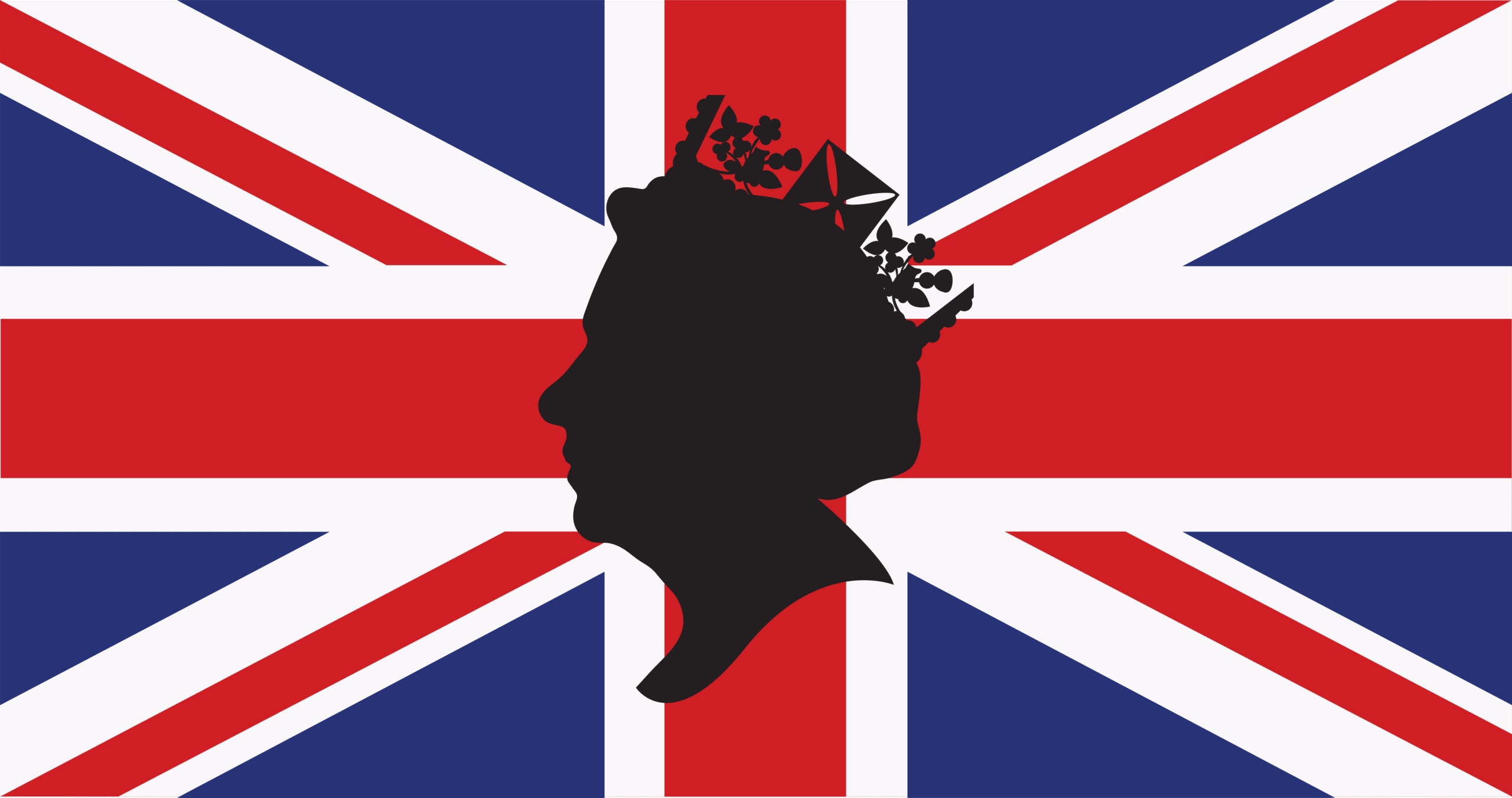





February 6, 1952, stands as a pivotal day in modern British history. On this date, Princess Elizabeth Alexandra Mary acceded to the throne as Queen Elizabeth II following the sudden death of her father, King George VI. Though her reign would later become the longest in British history, it began quietly and unexpectedly, far from London, marking the end of one era and the beginning of another.
At the time of her father’s death, the 25-year-old princess was in Kenya, embarking on a Commonwealth tour with her husband, Prince Philip, Duke of Edinburgh. The trip symbolized the evolving British Empire into a looser association of independent nations, and Elizabeth was fulfilling royal duties on her father’s behalf. King George VI, who had struggled with poor health for years, died peacefully in his sleep at Sandringham House in Norfolk. The news reached Elizabeth while she was staying at Treetops Lodge, a wildlife retreat overlooking the Kenyan plains.
The moment was both historic and deeply personal. Elizabeth had left Britain as a princess and returned as queen. With no formal ceremony or public announcement at first, her accession followed the ancient constitutional principle: “The king is dead, long live the queen.” The transition of sovereignty was immediate and automatic, ensuring continuity and stability in the monarchy.
King George VI had ascended the throne in 1936 after the abdication of his brother, Edward VIII, and had guided the nation through the hardships of the Second World War. His sense of duty, resilience, and quiet determination earned him widespread respect. His death was mourned deeply across the United Kingdom and the Commonwealth, casting a somber tone over Elizabeth’s early days as monarch.
Upon returning to Britain, Queen Elizabeth II was met with a nation in mourning. Her first public statement reflected both grief and resolve, acknowledging her father’s devotion to duty and pledging to follow his example. “My heart is too full for me to say more today than that I shall always work, as my father did, to uphold the constitutional government and to further the happiness and prosperity of my peoples,” she declared.
Elizabeth’s accession came at a time of profound global change. Britain was still recovering from war, grappling with economic challenges, and redefining its role on the world stage as decolonization accelerated. The young queen symbolized renewal and continuity, bridging tradition with the promise of a modern future. Though inexperienced, she was well prepared, having been trained from childhood in constitutional matters and public service.
Her coronation on June 2, 1953, would later become a landmark event, the first to be televised and watched by millions worldwide, bringing the monarchy into living rooms and solidifying her public image.
February 6, 1952, marked not just the beginning of a reign, but the start of a remarkable chapter in history. Over the decades that followed, Queen Elizabeth II would become a global symbol of stability, duty, and endurance—qualities that were forged on that quiet, life-altering day when a young woman became queen.












What do you think?
It is nice to know your opinion. Leave a comment.