



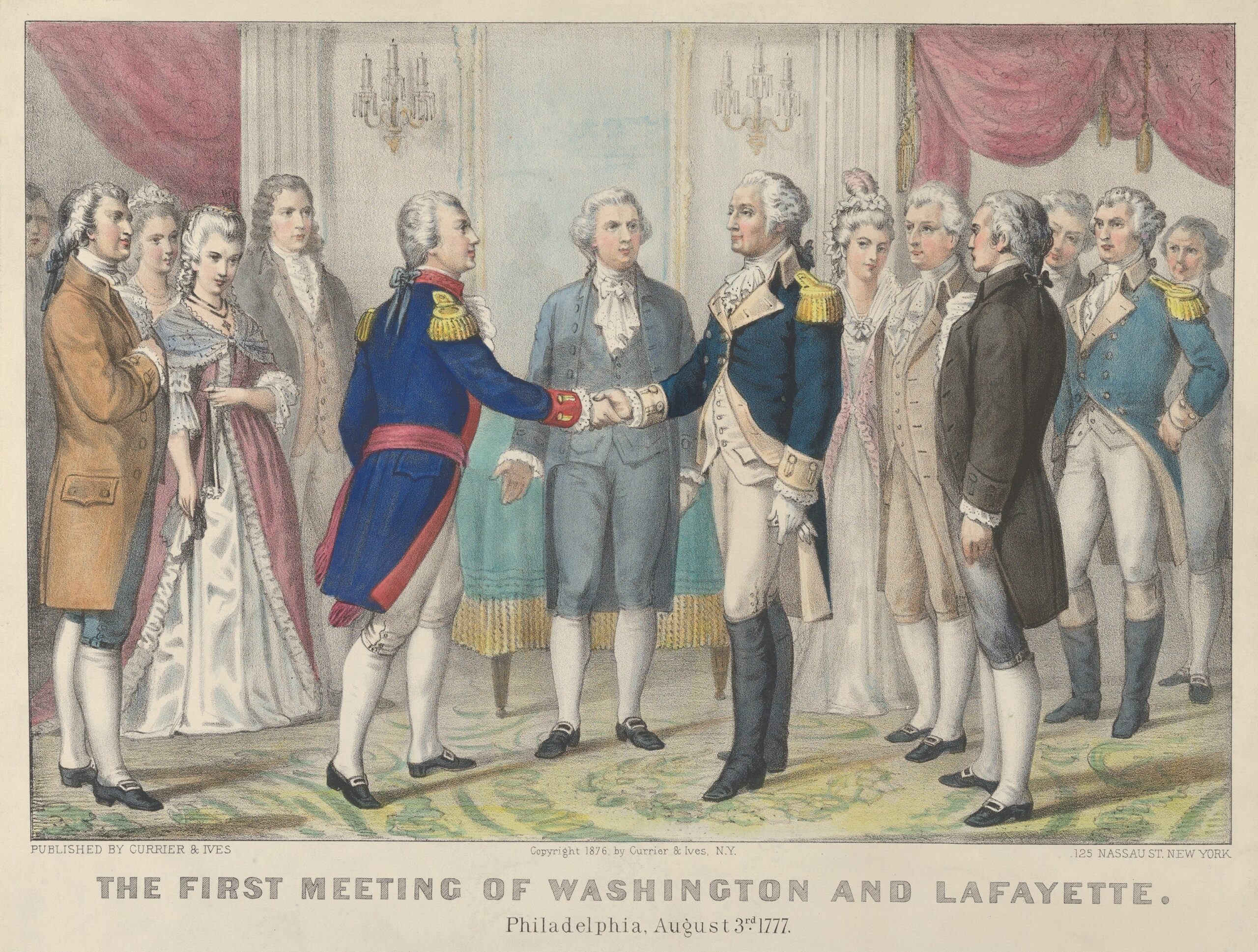





On February 4, 1789, a defining moment in American history unfolded as the Electoral College convened and elected George Washington unanimously to become the first President of the United States. This event marked the beginning of a new era under the recently ratified U.S. Constitution and set enduring precedents for the nation’s democratic governance.
Following the Constitutional Convention in Philadelphia in 1787, where Washington had presided with quiet authority, the young republic faced the monumental task of establishing its first government under the new Constitution. The document outlined a novel electoral system — the Electoral College — designed to balance popular influence with a layer of deliberation by chosen representatives. Electors were chosen by various methods in each state between December 1788 and January 1789.
On February 4, electors from 10 of the 13 states met to cast their votes. North Carolina and Rhode Island had not yet ratified the Constitution and thus did not participate, and New York’s legislature failed to appoint electors in time. Of the 72 electors selected, 69 cast their ballots. In a remarkable display of national confidence, all 69 electors voted for George Washington — making him the only president in U.S. history to be unanimously elected.
Washington’s unanimous election was no accident. His leadership during the American Revolutionary War, where he served as commander-in-chief of the Continental Army, had earned him near-universal admiration. His refusal of monarchical power and voluntary resignation of his commission at the war’s end underscored his commitment to republican principles, earning him the trust of both federalists and anti-federalists alike.
The electoral procedures of the time required each elector to cast two votes — one for president and one for vice president, though they were not distinguished on the ballot. As a result, electors could and did cast their second vote for other leaders. John Adams received the second-highest number of votes (34), making him the nation’s first Vice President, while various other statesmen received scattered votes for other positions — illustrating an early and informal form of political competition.
Despite the clarity of the electoral result on February 4, procedural delays meant that Congress could not count the votes until April 6, due in part to poor weather and travel difficulties that prevented a quorum. Once the votes were tallied and Washington’s victory certified, he journeyed from his beloved Mount Vernon to New York City, then the temporary capital of the United States.
His inauguration on April 30, 1789, took place on the balcony of Federal Hall on Wall Street. Standing before cheering crowds, Washington took the oath of office, delivered a thoughtful inaugural address, and officially assumed the responsibilities of the presidency — a role no American had ever held before.
Washington’s unanimous election remains a singular achievement in U.S. political history, emblematic of the deep respect he commanded and the fragile unity of a nation just beginning to define its identity. Though the modern electoral process has evolved dramatically since 1789, the spirit of that February day — a collective leap toward a more perfect union — continues to resonate.












What do you think?
It is nice to know your opinion. Leave a comment.