








February 11, 1990, stands as one of the most powerful and symbolic days of the 20th century. On this day, Nelson Rolihlahla Mandela walked out of Victor Verster Prison in South Africa after 27 years of imprisonment, signaling not only the liberation of one man, but the beginning of the end of apartheid. Watched by millions around the world, Mandela’s release marked a turning point in the global struggle for justice, reconciliation, and human dignity.
Mandela had been imprisoned since 1962 for his role in opposing South Africa’s system of racial segregation and white minority rule. In 1964, he was sentenced to life imprisonment following the Rivonia Trial, during which he delivered his famous speech declaring his willingness to die for the ideal of a democratic and free society. For much of his incarceration, Mandela was held on Robben Island, where he endured harsh conditions, forced labor, and long periods of isolation. Yet even behind bars, he became a powerful symbol of resistance and hope.
By the late 1980s, apartheid was under immense pressure. International sanctions, internal unrest, economic strain, and growing global condemnation made the system increasingly unsustainable. In 1989, F.W. de Klerk became South Africa’s president and began cautiously dismantling apartheid laws. On February 2, 1990, de Klerk announced the unbanning of the African National Congress (ANC) and promised Mandela’s imminent release.
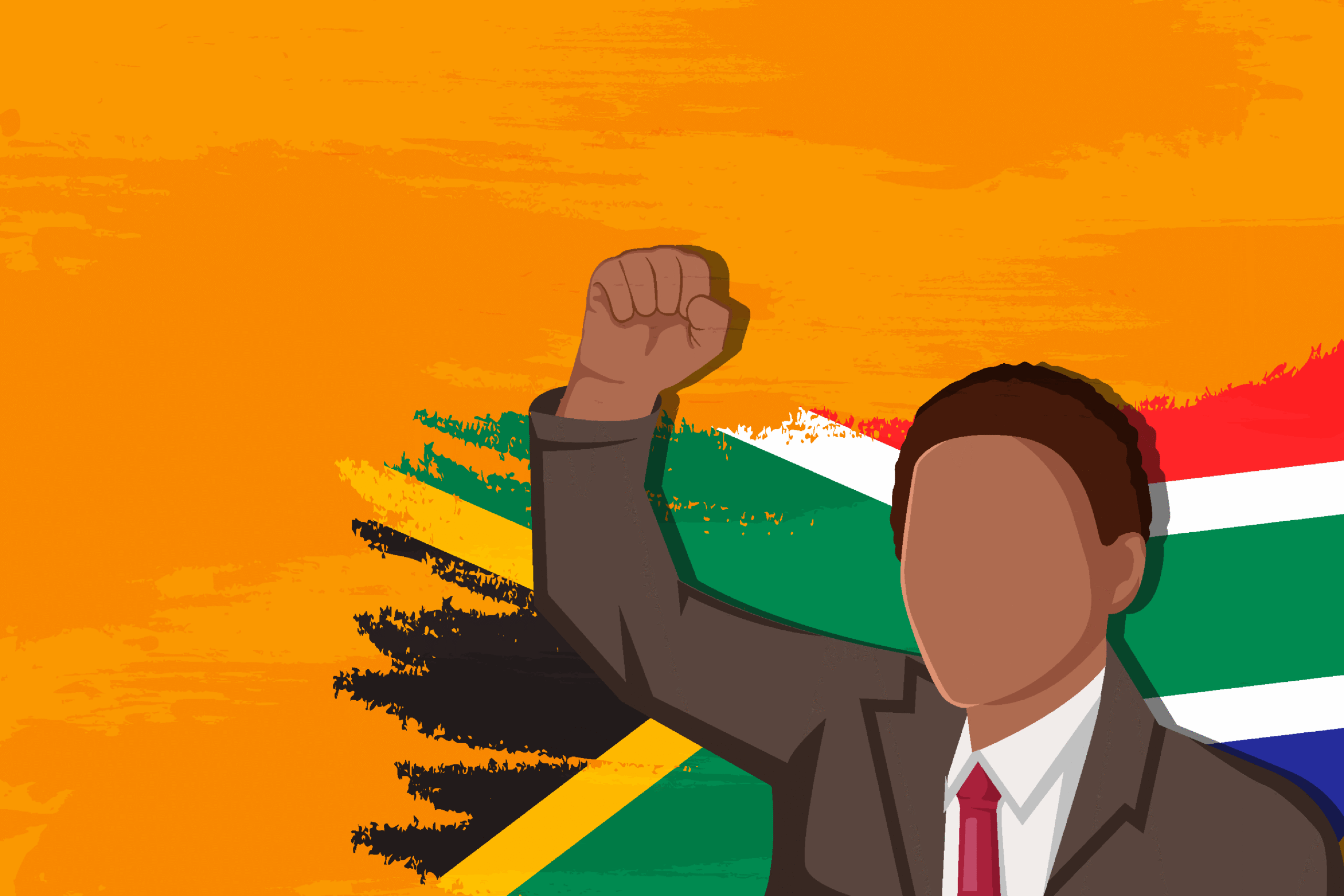
Nine days later, the world watched as Mandela emerged from prison hand in hand with his wife, Winnie Mandela, his fist raised in a gesture of triumph and resolve. At 71 years old, Mandela appeared calm, dignified, and resolute, despite having spent nearly three decades deprived of freedom. The images broadcast globally became instant symbols of perseverance and moral courage.
Later that day, Mandela addressed a massive crowd from the balcony of Cape Town City Hall. In his speech, he called for peace, reconciliation, and continued struggle through negotiation rather than violence. Rather than seeking revenge, Mandela emphasized unity and dialogue—an approach that would come to define South Africa’s transition to democracy.
Mandela’s release did not end apartheid overnight, but it set in motion a series of negotiations that would transform the nation. Over the next four years, Mandela and de Klerk worked—often amid tension and violence—to dismantle apartheid and establish a multiracial democracy. In 1994, South Africa held its first fully inclusive elections, and Nelson Mandela was elected the country’s first Black president.
February 11, 1990, remains a landmark day in world history. It represents the triumph of resilience over oppression and the extraordinary power of forgiveness in the face of injustice. Mandela’s walk to freedom reminded the world that even the longest night of injustice can give way to a new dawn—and that true leadership begins with the courage to seek peace.












What do you think?
It is nice to know your opinion. Leave a comment.